A collision can disrupt far more than your daily routine. It introduces uncertainty, stress, and a long list of decisions that need to be made quickly. From health concerns to vehicle damage and financial implications, the aftermath requires a clear and structured approach to recovery.
Many drivers focus only on getting their vehicle back on the road, but true recovery involves multiple layers. Medical care, legal guidance, insurance coordination, and proper repairs all help ensure your safety and long-term peace of mind. Taking the right steps early can prevent complications later and help you regain control of the situation more efficiently.
Knowing which services to address—and when—creates a more structured recovery process, allowing you to move forward with greater clarity, control, and confidence.
Start With Safety and Immediate Medical Evaluation

Your health should always come first, even if you feel fine immediately after a collision. Injuries such as whiplash, soft tissue damage, or concussions may not present symptoms right away. Delaying care can make recovery more difficult and may also affect your ability to document injuries later.
Seeking evaluation from auto accident doctors ensures that injuries are properly identified and treated early. These professionals are experienced in recognizing patterns of trauma specific to collisions and can provide both immediate care and ongoing treatment plans.
Key steps to take include:
- Schedule a medical evaluation as soon as possible
- Keep detailed records of symptoms and treatments
- Follow through with recommended follow-up visits
- Avoid dismissing minor discomfort, as it may worsen over time
Prompt attention not only protects your health but also creates a clear record of your condition, which can be important for insurance and legal purposes. Early medical documentation helps establish a direct link between the accident and any injuries, reducing the risk of disputes later on. In addition, timely care can uncover hidden injuries that might worsen if left untreated, improving your chances for a faster and more complete recovery. Insurers and attorneys often rely on these records to support your claims and ensure you receive the care and compensation you deserve.
Understand Your Legal Position Early
After addressing immediate health concerns, it’s important to understand your legal standing. Even in seemingly straightforward situations, questions about fault, liability, and compensation can quickly become complex.
Consulting with accident attorneys early in the process can help clarify your rights and responsibilities. They can guide you through documentation, communication with other parties, and potential claims.
Consider the following:
- Gather all relevant information, including photos and witness details
- Avoid making statements that could be misinterpreted
- Keep records of medical visits and repair estimates
- Understand timelines for filing claims or taking legal action
Accident attorneys can help ensure that your interests are protected, particularly in cases involving injuries or significant damage. Their experience negotiating with insurance companies and opposing parties can increase your chances of securing fair compensation. Attorneys are also well-versed in dealing with complex paperwork, legal deadlines, and dispute resolution, allowing you to focus on recovery rather than administrative hurdles. In addition, having professional legal representation may discourage attempts to minimize your claim or to unfairly shift liability.
Contact Your Insurance Provider With the Right Information
Notifying your insurance provider is a critical step that should be handled carefully. Providing accurate and complete information helps streamline the claims process and reduces the likelihood of delays.
Car insurance companies rely on detailed reports to assess claims, determine coverage, and process payments. This includes police reports, photos of the scene, repair estimates, and medical documentation. Being organized and prepared can make this process significantly smoother. Providing clear documentation upfront reduces the likelihood of disputes, helps your insurer make quicker decisions, and supports your case if negotiations or appeals become necessary. Consistent follow-up and communication with your adjuster can also help keep your claim on track and minimize unnecessary delays.
When contacting your provider:
- Report the incident promptly
- Provide clear and factual details
- Submit photos and documentation when requested
- Keep a record of all communications
Understanding how car insurance companies evaluate claims can also help you set realistic expectations regarding timelines and outcomes. Insurers typically assess the extent of damage, review supporting documentation, and may request additional information or an in-person inspection. The process often involves multiple steps, such as assigning an adjuster, obtaining repair estimates, and verifying liability. Being prepared for these stages—and responding promptly to requests—can help avoid unnecessary delays and ensure your claim is processed as efficiently as possible.
Assess Visible Damage and Prioritize Critical Repairs

Once initial steps are complete, your attention can shift to evaluating vehicle damage. While visible issues may be obvious, it’s important to recognize that collisions often cause hidden damage as well.
A professional inspection is essential to identify all affected systems. Relying on qualified auto repair services ensures that both structural and mechanical issues are addressed properly.
During this phase:
- Request a comprehensive inspection, not just a visual estimate
- Ask for a detailed breakdown of recommended repairs
- Verify that parts and materials meet quality standards
- Confirm timelines and expected completion dates
Proper auto repair is about more than appearance. It restores the integrity and safety of your vehicle, ensuring it performs reliably moving forward. Skilled technicians look for hidden structural damage that may not be immediately visible, using diagnostic equipment and comprehensive inspections to catch issues beneath the surface. Quality repairs safeguard critical systems such as airbags, crumple zones, and chassis components, all of which play a key role in protecting occupants during future incidents. By choosing a reputable repair facility, you help preserve your vehicle’s value and long-term dependability.
Address Brake System Damage Before Driving Again
Your braking system is one of the most critical safety components of your vehicle. Even minor collisions can impact brake performance, making it essential to have this system inspected before returning to regular driving. In addition to visible damage, impacts can cause subtle issues like misaligned components or damaged sensors, which may affect overall braking efficiency and response time. By prioritizing a brake inspection after any collision, you ensure that your vehicle is ready to handle unexpected situations safely.
A trusted brake shop can evaluate the condition of pads, rotors, and related components. Prompt brake repair services can prevent further damage and reduce safety risks.
Watch for warning signs such as:
- Reduced stopping power
- Unusual noises when braking
- Vibrations or pulling when slowing down
Professional brake repair services ensure that your vehicle can respond effectively in critical situations, protecting both you and others on the road. Experienced technicians will also check for hidden issues in the braking system—such as worn hydraulic lines or compromised ABS components—that might not be obvious after a collision. Comprehensive brake service includes precise adjustments, use of quality replacement parts, and post-repair testing to confirm optimal performance. Investing in thorough brake repairs not only restores safety but can also extend the life of your vehicle’s braking system.
Replace or Repair Damaged Glass for Visibility and Safety
Cracked or shattered glass is more than a cosmetic issue. It can compromise visibility, weaken structural integrity, and increase the risk of injury in future incidents.
Visiting reputable auto glass shops allows you to determine whether repair or replacement is the best option. Specialists can assess the extent of damage and recommend the safest solution. These professionals use advanced tools and materials to ensure that repairs restore both strength and clarity to your windows, reducing the risk of future cracks or leaks. In many cases, they can also calibrate sensors embedded in modern windshields, such as those for lane departure warning or automatic braking systems, to ensure that all safety features continue to work properly after glass replacement.
Important considerations include:
- Size and location of the damage
- Impact on driver visibility
- Structural role of the windshield
- Cost and time required for repair or replacement
Auto glass shops use specialized techniques and materials to restore safety and ensure proper installation. In addition to replacing or repairing glass, many shops will also inspect window mechanisms and seals to ensure there are no lingering issues that could compromise performance or weather resistance. Some facilities offer mobile services, making it more convenient to address glass damage without disrupting your schedule. Always choose a provider that stands behind their work with a warranty, as this gives you extra peace of mind after a repair.
Restore Vehicle Alignment for Proper Handling
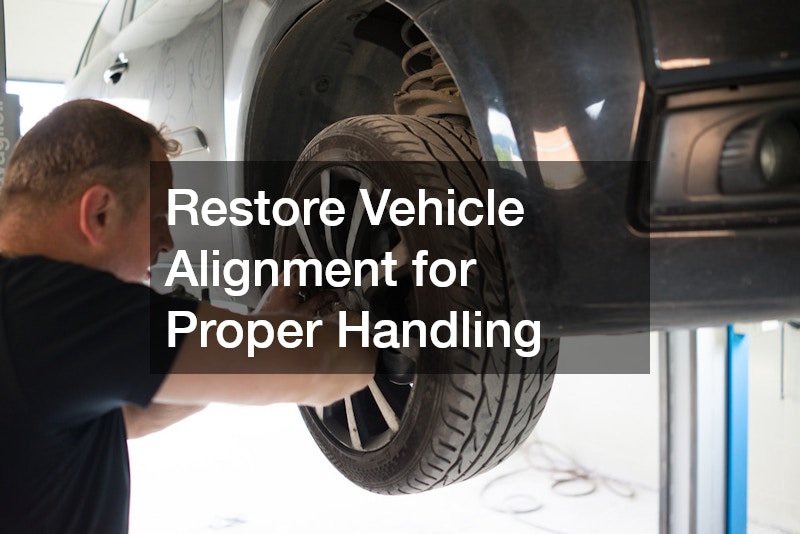
Collisions often affect more than just visible components. Even minor impacts can shift alignment, altering how your vehicle handles and wears over time.
An alignment shop can evaluate whether your wheels and suspension are properly positioned. Technicians use precision equipment to measure and adjust alignment angles, ensuring your vehicle meets manufacturer specifications. Addressing alignment issues early prevents uneven tire wear and improves overall control. Early correction also helps prevent long-term suspension damage and can enhance your driving comfort and safety, particularly during emergency maneuvers or challenging road conditions.
Signs of misalignment may include:
- Vehicle pulling to one side
- Uneven tire wear
- Steering wheel not centered
A professional alignment shop ensures that your vehicle tracks correctly, enhancing both safety and comfort during driving. Proper alignment also helps preserve your tires, reduces stress on suspension components, and can improve fuel efficiency. By proactively addressing alignment concerns after a collision, you minimize the risk of uneven wear and costly repairs down the road. Many alignment shops provide detailed reports showing before-and-after measurements, giving you confidence that the work was performed accurately.
Maintain Your Vehicle’s Performance After Repairs
After major repairs are completed, ongoing maintenance becomes essential. A collision can indirectly affect various systems, making it important to monitor performance and address routine needs.
Scheduling an oil change at the appropriate time helps maintain engine health and supports overall reliability. It’s also a good opportunity to check other systems and ensure everything is functioning properly.
Post-repair maintenance should include:
- Monitoring fluid levels and condition
- Checking for unusual sounds or performance changes
- Following manufacturer-recommended service intervals
- Scheduling regular inspections as needed
An oil change may seem routine, but it plays a key role in keeping your vehicle running smoothly after a disruptive event.
Don’t Overlook Local Specialists for Targeted Repairs
While general repair services are important, certain issues may require specialized attention. Working with local providers who focus on specific systems can improve both efficiency and quality.
A local auto brake service, for example, may offer deeper expertise and faster turnaround times for braking issues compared to a general facility.
Benefits of working with specialists include:
- More focused knowledge and experience
- Access to specialized tools and equipment
- Faster diagnosis and repair times
- Higher confidence in long-term performance
Choosing a local auto brake service can be especially valuable when dealing with safety-critical components. Local specialists are often more familiar with the unique driving conditions and vehicle models common in your area, allowing them to offer tailored advice and solutions. Their established relationships with local parts suppliers can also speed up repairs and reduce wait times. Additionally, working with a neighborhood provider can foster greater trust and accountability, as their reputation depends on satisfied customers in the community.
Coordinate Services to Avoid Delays and Extra Costs

Managing multiple services after a collision can quickly become overwhelming. Without proper coordination, delays and additional costs may arise.
Creating a clear plan helps ensure that each step is completed in the right order. This minimizes disruptions and keeps the recovery process moving forward efficiently.
Helpful strategies include:
- Prioritize safety-related repairs first
- Schedule services in logical sequence
- Maintain clear communication with all providers
- Keep detailed records of all work completed
Effective coordination reduces stress and allows you to focus on getting back to normal as quickly as possible.
Recovering from a collision involves more than repairing visible damage. It requires a thoughtful approach that addresses health, safety, legal considerations, and long-term vehicle performance. Each step plays a role in ensuring that you move forward with confidence and stability.
By taking a proactive approach and working with the right professionals, you can avoid common pitfalls and create a smoother path to recovery. The goal is not just to restore what was lost, but to ensure that everything moving forward is safe, reliable, and built to last.