Learn the essentials of keeping your motorcycle in top condition with our comprehensive guide. From basic maintenance to advanced care, ensure your ride is always ready and safe. As motorcyclists, protecting our investment and ensuring our rides are secure is of utmost importance.
1. What is Dyno Tuning and Why is it Important?
Understanding Dyno Tuning
Dyno tuning is a process utilized to calibrate a motorcycle’s engine using a dynamometer. This device measures performance by simulating real-world riding conditions in a controlled environment. It’s an essential step in ensuring that your engine is delivering optimal performance.
During dyno tuning, adjustments are made to the motorcycle’s electronic control unit (ECU) for enhancing power output. Tuning modifies fuel and air mixture levels based on performance readings. Accurate dyno tuning leads to increased engine efficiency and longevity.
Benefits of Regular Dyno Tuning
Regular dyno tuning is crucial for maintaining the best engine performance and drivability. Implementing this procedure ensures smoother throttle response and power delivery. Optimal tuning also contributes to extended engine lifespan as it minimizes wear and tear.
Tuning not only optimizes power and torque but also ensures a safer ride. The calibration enhances stability by adjusting the mixture settings, which assists in remediating potential engine failures. A well-tuned motorcycle is less likely to suffer unexpected downtimes or breakdowns.

2. The Role of Robotic Welding in Motorcycle Manufacturing
How Robotic Welding Works
Robotic welding involves the use of programmable robotic arms to perform welding tasks in motorcycle manufacturing. These robots are equipped with advanced sensors and precise motion controls to ensure high-quality welds. The technology enhances manufacturing efficiency and precision, contributing to stronger motorcycle frames and components.
This automated process reduces human error, increasing consistency and quality throughout the production line. Robotic welding is particularly beneficial in achieving intricate weld patterns that are difficult for human labor to replicate. This results in more reliable and durable motorcycle structures that are essential for rider safety.
Advantages of Robotic Welding in Producing Parts
The use of robotic welding in manufacturing motorcycle parts leads to significant cost savings in the long run. Automation reduces the need for manual labor, minimizing production time and associated costs. Moreover, robotic welding ensures uniformity and precision that contribute to lower reject rates and less material wastage.
3. Finding the Right Motorcycle Repair Service
Evaluating Repair Service Quality
Choosing the right motorcycle repair service involves evaluating various factors to ensure high-quality care. One should consider the reputation of the service based on customer reviews and testimonials. Additionally, evaluating the certifications and experience of the mechanics can provide insight into their expertise.
Top Questions to Ask Your Mechanic
To ensure you receive the best service, it’s crucial to ask your mechanic key questions regarding your motorcycle repairs. Inquire about the specific cause of any issues and the possible solutions recommended. Understanding the options and their potential impacts on your bike’s performance helps in making informed decisions.
4. How to Check and Maintain Your Starter Motor
Signs of a Failing Starter Motor
Understanding the warning signs of a failing starter motor is essential for timely maintenance. Common indicators include a clicking noise when attempting to start the engine or the engine turning over slowly. In some cases, there may be no response when the ignition key is turned, signaling a need for inspection.
Other symptoms include intermittent starting problems or visible smoke coming from the starter. Recognizing these signs early can prevent more significant issues from developing. Early diagnosis and maintenance save time and cost related to more extensive repairs or replacements.
5. Choosing the Best Motorcycle Shop
Factors to Consider in a Motorcycle Shop
When selecting a motorcycle shop, there are key factors to consider for quality service. Look for shops with good reputations, supported by positive customer reviews and testimonials. Additionally, ensure the shop employs experienced technicians with expertise in your specific type of motorcycle.
The shop’s organizational structure and cleanliness can also indicate professionalism and reliability. Access to a wide range of services and advanced equipment signifies a well-prepared and capable shop. A welcoming and knowledgeable staff further enhances the service quality and customer experience.
Services a Good Motorcycle Shop Should Offer
Top motorcycle shops offer a range of services, from basic maintenance to comprehensive repairs. These include engine diagnostics, tire changes, brake servicing, and suspension checks, ensuring all aspects of your bike are covered. Advanced services such as dyno tuning and custom modifications showcase a shop’s capability to meet diverse customer needs.

6. Dealing with Auto Glass Issues on a Motorcycle
Common Motorcycle Auto Glass Problems
Motorcycle auto glass can suffer from various issues, including chips, cracks, and cloudiness. These damages often result from debris strikes, adverse weather, or prolonged exposure to sunlight. Addressing these problems promptly is crucial for maintaining visibility and safety during rides.
Another common concern is the improper fitting of auto glass, which can lead to increased wind noise and discomfort. Scratches and pits on the glass surface reduce clarity and can worsen over time if not treated. Regular inspections help identify these issues early, allowing for necessary corrective measures.
7. Exploring Paintless Dent Repair (PDR) for Motorcycles
When is PDR Suitable for Motorcycle Dents?
Paintless dent repair (PDR) is an effective solution for minor dents that haven’t damaged the paint. This technique is ideal for small dents and dings caused by impacts or hailstones. PDR is suitable when the paint surface remains intact, preserving the motorcycle’s original finish.
The suitability of PDR also depends on the dent’s location and accessibility. It’s a preferred choice for areas that don’t require disassembly and body panel removal. Opting for PDR as a fast and cost-effective solution reduces the need for more invasive repair methods that involve repainting.
8. Essential Auto Parts for Motorcycle Maintenance
Identifying Critical Auto Parts
Maintaining a motorcycle involves understanding and identifying critical auto parts for optimal operation. The engine, brakes, and suspension are essential components that require regular attention. Ensuring these parts are in top condition is vital for safety and performance on the road.
Other critical parts include the chain and sprocket, which are essential for smooth power transfer. The battery and electrical system also need regular checks to avoid starting issues and ensure proper lighting. Recognizing these key parts enables better maintenance and worry-free rides.
Sourcing Quality Auto Parts for Replacement
Sourcing quality auto parts is fundamental to maintaining and improving your motorcycle’s performance. Always opt for OEM (Original Equipment Manufacturer) or high-quality aftermarket parts to guarantee fit and reliability. Reliable sources include authorized dealers and reputable stores specializing in motorcycle parts.
9. The Importance of Engine Maintenance Service
Key Elements of Engine Maintenance
Engine maintenance service is crucial for sustaining the performance and longevity of your motorcycle. Key elements include regular oil changes, which ensure the engine is lubricated and runs smoothly. Checking and replacing the air and fuel filters are also essential to maintaining optimal combustion and efficiency.
How Regular Service Enhances Performance
Consistent engine maintenance service significantly enhances a motorcycle’s performance and safety. Timely servicing maintains efficient operation, optimizing power output and fuel economy. Regular maintenance also aids in identifying minor issues before they develop into costly repairs.
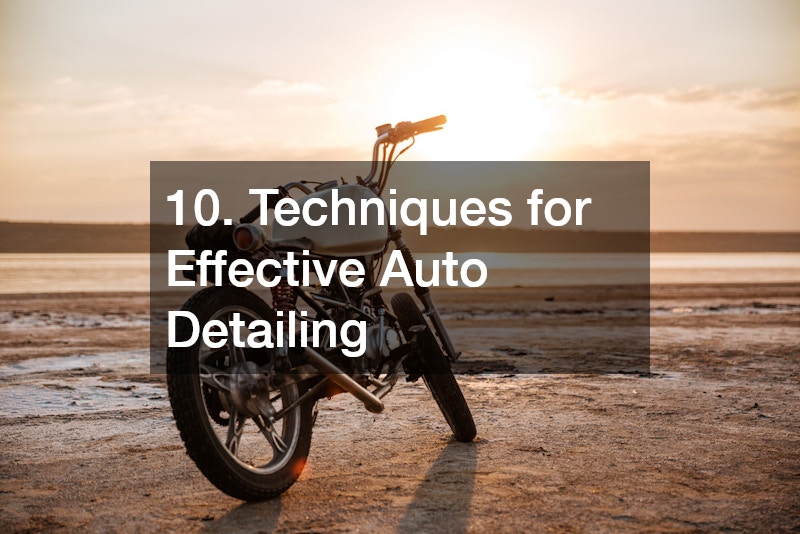
10. Techniques for Effective Auto Detailing
Auto Detailing Tools for Motorcycles
Effective auto detailing requires the right tools to achieve a pristine finish for your motorcycle. Microfiber towels and brushes are essential for cleaning surfaces without causing scratches. A good quality chamois or water blade is useful for drying the motorcycle after a wash.
Other important tools include polishers for buffing and bringing out the shine in the paint. A variety of applicators for wax and polish application help protect and enhance the motorcycle’s surface. Investing in quality detailing tools ensures efficient and satisfying results after each session.
Recommended Products for Optimal Shine
Using recommended products during auto detailing can significantly enhance your motorcycle’s appearance. High-quality waxes and polishes protect the paint, adding a glossy finish that enhances the bike’s aesthetic appeal. It’s crucial to select products compatible with your bike’s specific paint type for the best results.
11. Handling Common Motorcycle Electrical Issues
Troubleshooting Electrical Failures
Addressing common electrical issues in motorcycles requires systematic troubleshooting. Begin by inspecting the battery for any corrosion or loose connections. Ensuring the battery is fully charged can sometimes resolve starting problems.
Next, examine the wiring and fuses for any signs of damage or blown circuits. Replacing faulty fuses and repairing damaged wiring can restore electrical function. Consistent check-ups help identify potential electrical issues before they escalate.
Preventative Measures for Electrical Reliability
Taking preventative measures is crucial for ensuring electrical reliability in your motorcycle. Regular battery maintenance, including cleaning terminals and checking voltage levels, can prevent unexpected failures. Using dielectric grease on connections helps protect them from moisture and corrosion.
Maintaining the alternator and rectifier ensures proper voltage regulation across the electrical system. Periodic inspection of electrical components like lights and indicators ensures proper function and safety. Preventative care helps avoid disruptions and extends the lifespan of electrical systems.
12. Strategies for Motorcycle Storage and Safety
Preparing Your Motorcycle for Storage
Preparing your motorcycle for storage is essential to prevent damage during periods of inactivity. Begin by thoroughly cleaning the bike to remove dirt and grime that could cause corrosion. Ensuring the gas tank is filled with fuel stabilizer helps maintain fuel quality during storage.
Disconnecting the battery is advisable to prevent discharge over long periods. Covering the motorcycle with a breathable cover protects it from dust and environmental damage. Following these steps ensures the motorcycle is ready to perform when pulled out of storage.
Security Tips for Stored Motorcycles
Ensuring your motorcycle’s security during storage protects it from theft and damage. Keeping the bike locked and secured in a garage or storage unit adds a layer of safety. Utilizing chains or locks on the wheels and frames can deter potential theft.
Adding an alarm system or GPS tracker enhances security, allowing for quick response in case of theft. Regular checking and maintenance of security measures ensure they remain effective over time. Having a comprehensive insurance policy further safeguards against potential losses.
13. How to Leverage Technology in Motorcycle Care
Integrating Smart Gadgets into Your Motorcycle
Leveraging technology for motorcycle care involves integrating smart gadgets designed for enhanced functionality. GPS systems are one notable addition, offering accurate navigation and location tracking. Bluetooth communication devices enable hands-free calls and access to navigation prompts.
Incorporating smart tire pressure monitoring systems can notify riders of any variations that require attention. Connective devices provide useful data to analyze and optimize riding conditions. Embracing these advancements enhances safety and communication on the road.
Apps and Devices for Monitoring Maintenance
Several apps and devices are available to assist in monitoring motorcycle maintenance. Apps dedicated to tracking service schedules and mileage are common, ensuring timely reminders for necessary upkeep. Bluetooth-enabled diagnostic tools connect to your smartphone, offering real-time data on engine performance and fault codes.
Helmet Bluetooth systems provide alerts on speed, tire pressure, and GPS navigation during rides. Integration of such technology allows for precise and regular oversight of bike performance. These accessible tools contribute to maintaining your motorcycle in peak condition with minimal hassle.

14. Understanding the Role of Regular Inspections
Checklist for Comprehensive Motorcycle Inspections
A comprehensive inspection checklist is vital for maintaining motorcycle safety and performance. Regular checks on tires, brakes, and lights ensure all critical components are functioning properly. inspections should also include fluid levels such as oil, brake fluid, and coolant to prevent engine damage.
Periodic examination of the chain, sprockets, and suspension components maintains ride quality and safety. Ensuring all fasteners are properly tightened contributes to avoiding mechanical failures. A detailed checklist offers peace of mind and prolongs the lifespan of your motorcycle.
Scheduling Inspections for Maximum Safety
Scheduling regular inspections is key to maximizing safety and reliability on the road. Setting a fixed schedule for these check-ups prevents unexpected mechanical failures. Routine inspections allow for early detection of potential problems that might go unnoticed during daily use.
Concluding with the best practices and advice to keep your motorcycle in optimal condition, ensuring long-term performance and safety on the road. By adhering to these guidelines, riders can enjoy reliable, efficient, and safe journeys, meeting both personal and environmental standards. A well-maintained motorcycle reflects the care and diligence of a responsible rider.