How to Choose a Reliable Shop You Can Trust
Choosing the right local auto repair shop is one of the most important decisions a vehicle owner can make. Quality workmanship, transparent communication, and ethical practices can save you time, stress, and money over the long term. A dependable local auto repair shop provider also offers the advantage of accessibility and accountability within your community.
When you work with a shop that values clear explanations and honest recommendations, you’re better equipped to understand what your vehicle actually needs and why. This transparency helps eliminate confusion and builds trust, especially when unexpected repairs arise. Reputable shops take the time to explain diagnostic results, outline repair options, and provide realistic timelines, allowing you to make informed choices without feeling pressured.
Consistency is another major benefit of selecting the right shop. Returning to the same local auto repair provider over time allows technicians to become familiar with your vehicle’s history, maintenance patterns, and past concerns. This familiarity often leads to more accurate diagnostics and proactive recommendations. Ultimately, choosing wisely creates a reliable support system for your vehicle, giving you confidence every time service is needed.
What to Look for in a Repair Facility
Not all repair facilities operate at the same standard. Before committing, look for the following:
-
Proper business licensing and certifications
-
Clean, organized work areas
-
Clear explanations of diagnostics and recommended services
-
Written estimates provided before work begins
A professional shop should never pressure you into immediate decisions without explaining why the work is necessary.
How to Evaluate Reviews and Recommendations
Online reviews can be helpful, but they should be read critically:
-
Look for consistent themes rather than one-off complaints
-
Pay attention to how the business responds to negative feedback
-
Ask friends, coworkers, or neighbors about their experiences
A shop with long-standing community relationships is often a safer choice than one relying solely on aggressive advertising.
Questions Worth Asking Before Approving Work
Before authorizing repairs, ask:
-
What caused the issue, and how was it diagnosed?
-
Are there alternative solutions or phased repairs?
-
How long will the repair take, and what warranty applies?
Clear answers signal professionalism and honesty.
Working With a Skilled Technician for Better Long-Term Results
A knowledgeable car mechanic does more than fix what’s broken. The right professional helps you understand your vehicle’s condition and anticipate future needs, reducing unexpected breakdowns.
Why Experience Matters
Vehicles vary widely by make, model, and technology. A technician familiar with your type of vehicle can:
-
Diagnose problems more efficiently
-
Spot early signs of wear others might miss
-
Apply manufacturer-recommended procedures correctly
Experience often translates into fewer repeat visits for the same issue.
How Communication Improves Outcomes
Good communication prevents misunderstandings and unnecessary work. You can help by:
-
Describing symptoms clearly, including when they started
-
Mentioning recent repairs or changes
-
Asking for explanations in plain language
A professional technician will welcome questions and take time to explain findings.
Building a Long-Term Service Relationship
Sticking with one trusted technician or team offers advantages:
-
Better familiarity with your vehicle’s history
-
More accurate maintenance recommendations
-
Greater trust during major repair decisions
Long-term relationships often lead to better care and fewer surprises.
Preventive Maintenance That Helps Avoid Costly Breakdowns
Consistent auto repair maintenance is far more affordable than emergency fixes. Preventive care keeps small issues from escalating and ensures your vehicle performs reliably.
Maintenance Tasks Drivers Commonly Overlook
Many breakdowns stem from neglected basics, such as:
-
Fluid changes beyond oil, including coolant and transmission fluid
-
Belt and hose inspections
-
Battery testing before failure occurs
These components often wear quietly until they suddenly fail.
How Early Inspections Save Money
Routine inspections can identify:
-
Minor leaks before they damage other systems
-
Uneven tire wear that signals alignment problems
-
Early corrosion in electrical connections
Catching these issues early reduces labor time and parts replacement costs.
Seasonal Maintenance Tips
Weather changes affect vehicle performance. Smart seasonal steps include:
-
Checking cooling systems before hot months
-
Inspecting heating components before winter
-
Ensuring wipers and lights function properly year-round
Preventive planning helps avoid inconvenient and expensive roadside problems.
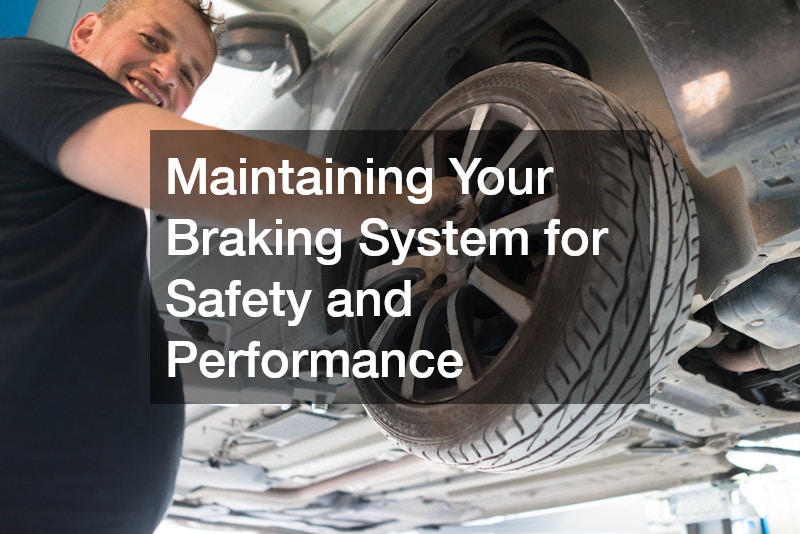
Maintaining Your Braking System for Safety and Performance
Your vehicle’s braking system is critical to safety, and timely brake repair plays a major role in preventing accidents and maintaining control.
Early Warning Signs You Shouldn’t Ignore
Pay attention to these indicators:
-
Squealing or grinding noises
-
Vibration when braking
-
A soft or unresponsive brake pedal
These signs often point to wear that can worsen rapidly if left unaddressed.
How Driving Habits Affect Brake Life
Driving behavior directly impacts braking components:
-
Frequent hard stops increase pad and rotor wear
-
Riding the brakes downhill causes overheating
-
Heavy loads add strain to the system
Adjusting habits can significantly extend brake lifespan.
Repair vs Replacement Decisions
Not all brake issues require full replacement. A professional assessment helps determine whether:
-
Components can be resurfaced
-
Partial replacement is sufficient
-
Full system service is required for safety
Timely service protects both your vehicle and its occupants.
Special Care Tips for Diesel Engines and High-Mileage Vehicles
Vehicles requiring diesel engine repairs demand specialized knowledge and maintenance practices. These engines are built for durability, but only when properly cared for.
Key Differences in Diesel Maintenance
Diesel engines operate differently from gasoline engines, which means:
-
Fuel systems require cleaner filtration
-
Oil changes follow different schedules
-
Glow plugs and injectors need periodic inspection
Understanding these differences prevents premature wear.
Common Issues That Require Prompt Attention
Ignoring early symptoms can lead to major failures. Watch for:
-
Hard starting or rough idling
-
Excessive exhaust smoke
-
Loss of power under load
Addressing these signs early helps avoid extensive engine damage.
Extending Engine Life Through Proper Care
Best practices include:
-
Using high-quality fuel and additives when recommended
-
Keeping cooling systems in optimal condition
-
Following manufacturer service intervals closely
Proper maintenance keeps high-mileage engines running strong.
Keeping Light Trucks and Work Vehicles Road-Ready
Vehicles used for hauling or towing face additional stress, making proactive truck repair essential for reliability and safety.
Unique Maintenance Challenges
Work vehicles often experience:
-
Increased suspension and brake wear
-
Higher transmission temperatures
-
Accelerated tire degradation
These factors require closer monitoring.
Towing and Payload Considerations
When regularly carrying heavy loads:
-
Cooling systems must be inspected frequently
-
Transmission fluid condition becomes critical
-
Braking systems experience additional strain
Ignoring these factors can lead to costly downtime.
Planning Maintenance for Heavy Use
Effective strategies include:
-
Shortened service intervals
-
Detailed inspection checklists
-
Keeping accurate maintenance records
Structured planning reduces unexpected failures and keeps vehicles operational.
What to Do After an Accident to Protect Your Vehicle’s Integrity
After a collision, proper collision repairs are essential to restore both appearance and structural safety.
Immediate Steps After an Accident
Once safety is ensured:
-
Document damage with photos
-
Obtain a professional inspection
-
Avoid driving if structural damage is suspected
Hidden damage can worsen if ignored.
Why Structural Repairs Matter
Modern vehicles rely on engineered crumple zones and alignment. Poor repairs can:
-
Compromise crash protection
-
Affect steering and handling
-
Reduce resale value
Quality workmanship ensures the vehicle performs as designed.
Understanding Repair Estimates
When reviewing estimates, look for:
-
Detailed line items
-
OEM or equivalent part specifications
-
Clear timelines and warranty information
Transparency helps you make informed decisions.
Fixing Minor Body Damage Before It Becomes a Bigger Problem
Prompt auto dent repairs protect more than your vehicle’s appearance. Addressing minor damage early prevents long-term issues.
Why Small Dents Shouldn’t Be Ignored
Even minor dents can:
-
Expose metal to moisture
-
Lead to rust and corrosion
-
Weaken surrounding paint
Cosmetic issues often become structural over time.
When Paintless Repair Is an Option
Certain dents qualify for non-invasive techniques when:
-
Paint remains intact
-
Damage hasn’t stretched the metal
-
The area is easily accessible
This approach saves time and money.
Protecting Exterior Value
Regular exterior inspections and quick repairs:
-
Preserve resale value
-
Prevent paint degradation
-
Maintain a professional appearance
Early action is always more cost-effective.
Warning Signs That Mean You Should Schedule Service Immediately
Some symptoms indicate urgent attention is needed, especially when they involve brake repair or broader auto repair concerns.
Sounds, Smells, and Sensations to Watch For
Seek immediate service if you notice:
-
Burning smells
-
Sudden vibrations
-
Unusual noises during acceleration or stopping
These signs often point to safety-related issues.
Dashboard Alerts You Shouldn’t Ignore
Warning lights are designed to signal problems early. Ignoring them can:
-
Increase repair complexity
-
Lead to system failure
-
Create unsafe driving conditions
Prompt diagnostics reduce long-term damage.
Prioritizing Urgent Issues
When multiple problems arise:
-
Address safety-related systems first
-
Resolve issues that could cause secondary damage
-
Schedule follow-ups for non-critical items
Smart prioritization helps manage costs without sacrificing safety.
Expert vehicle care is about more than fixing problems as they arise. It’s about understanding how systems work together, recognizing early warning signs, and making informed decisions that protect safety and value. When maintenance is handled proactively and repairs are completed with care, vehicles last longer, perform better, and cost less to own over time.
By staying attentive, asking the right questions, and addressing issues promptly, drivers can avoid many of the frustrations associated with unexpected breakdowns. Thoughtful maintenance and professional support turn vehicle ownership into a smoother, more predictable experience—one that keeps you confidently on the road for years to come.
Beyond reliability, consistent care also provides peace of mind. Knowing your vehicle has been properly inspected and maintained allows you to drive with confidence, whether you’re commuting daily, taking long road trips, or navigating changing weather and road conditions. Preventive attention reduces stress by minimizing last-minute repairs and unexpected expenses that can disrupt schedules and budgets.
Vehicle care is also an investment in long-term value. Well-maintained vehicles retain their performance, appearance, and resale potential far better than those that receive only reactive attention. Maintenance records, timely repairs, and responsible ownership habits demonstrate care and reliability, which can make a meaningful difference if you decide to sell or trade in your vehicle later.
Equally important is the role of education. Drivers who understand the basics of vehicle operation and maintenance are better equipped to make informed choices. This knowledge helps prevent unnecessary services, encourages smarter scheduling, and empowers owners to recognize when professional attention is truly needed.
Ultimately, expert care is about partnership—between informed drivers and skilled professionals working toward the same goal. With consistency, awareness, and a proactive mindset, vehicle ownership becomes less about managing problems and more about enjoying dependable performance, safety, and confidence every time you turn the key.