Maintaining your vehicle is more than just keeping it running—it’s about ensuring safety, reliability, and longevity. A well-maintained car can prevent unexpected breakdowns, extend its lifespan, and save significant money over time. Proper vehicle care also enhances performance, improves fuel efficiency, and reduces the risk of accidents caused by mechanical failures. Beyond the practical benefits, maintaining your car preserves its aesthetic appeal, helping it retain value and look its best for years to come. Neglecting maintenance can lead to costly repairs, decreased performance, and even unsafe driving conditions, making proactive care an essential responsibility for every car owner.
Understanding your vehicle’s needs involves more than just following a manufacturer’s maintenance schedule. It requires being observant of warning signs such as unusual noises, changes in performance, or dashboard alerts, all of which can indicate that something needs attention. Simple actions, like regularly checking tire pressure, fluid levels, and brake responsiveness, can prevent minor issues from turning into major repairs. Additionally, learning about your car’s components—engine, transmission, suspension, electrical systems—empowers you to identify potential problems early and make informed decisions about when to perform maintenance yourself and when to seek professional help.
In this guide, we’ll cover actionable tips for essential vehicle maintenance, including brakes, air conditioning, exterior protection, window care, and more. Each section provides practical advice to help you stay on top of your car’s condition, as well as insights into working with professionals when needed. We’ll discuss preventive measures, signs that indicate it’s time for professional service, and tips for selecting qualified auto shops and service providers. Whether you’re a first-time car owner or someone with years of experience, these tips will equip you to take control of your vehicle’s health and performance, improve its efficiency, and ultimately extend its life while keeping your driving experience safe and enjoyable. By implementing these practices consistently, you’ll not only avoid costly surprises but also gain confidence in your ability to care for one of your most important investments.
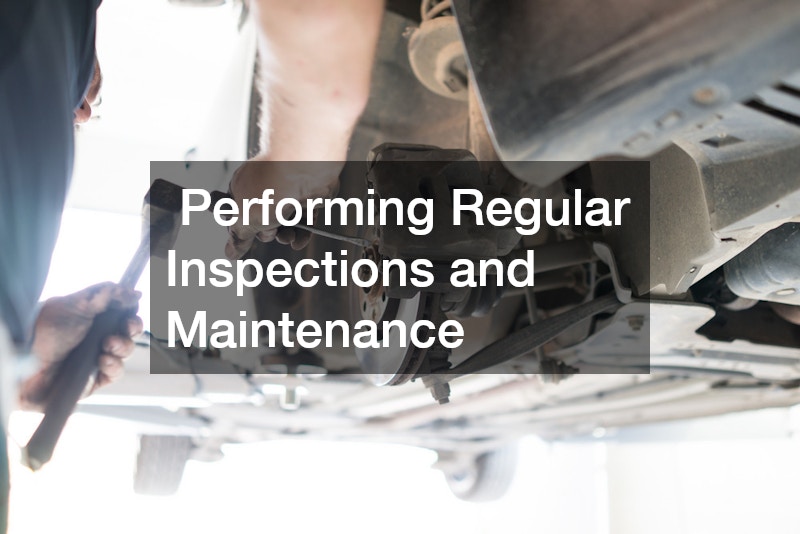
Performing Regular Inspections and Maintenance
Routine inspections are the foundation of a healthy vehicle. Skipping regular checks can lead to costly repairs, reduced performance, and even safety risks. Consistency in maintenance allows you to catch potential problems before they escalate. During these inspections, you should pay attention to essential components such as brakes, tires, fluids, belts, hoses, lights, and the battery. Even small issues, like a worn belt or a slow leak, can turn into major problems if left unchecked, leading to breakdowns or expensive repairs.
Regular inspections also help maintain your car’s efficiency. For example, underinflated tires or clogged air filters can decrease fuel economy, costing you more at the pump over time. Monitoring fluid levels—including engine oil, coolant, transmission fluid, and brake fluid—ensures smooth operation and prevents overheating or mechanical failure. Paying attention to unusual sounds, vibrations, or dashboard warning lights during routine checks allows you to detect potential problems early, sometimes before they even show visible damage.
Furthermore, a consistent inspection routine contributes to safety on the road. Well-maintained brakes, tires, and suspension systems reduce the likelihood of accidents and provide better control under various driving conditions. Scheduling regular inspections with a reputable auto shop not only protects your vehicle but also gives you peace of mind, knowing that your car is in optimal condition for everyday use.
Checking Fluids and Filters
Your car relies on various fluids and filters to operate efficiently. Here’s what to check regularly:
-
Engine Oil: Inspect oil levels monthly and look for discoloration. Change according to manufacturer recommendations.
-
Coolant: Ensure the radiator is filled and monitor for leaks. Coolant prevents engine overheating.
-
Brake Fluid: Low levels can impair braking performance. Top off if necessary and watch for contamination.
-
Transmission Fluid: Essential for smooth gear changes. Dark or burnt-smelling fluid signals a need for service.
-
Air and Fuel Filters: Replace every 12,000–15,000 miles to maintain engine efficiency.
Monitoring Tire Condition and Pressure
Tires are your car’s connection to the road, so keeping them in good shape is critical:
-
Tread Depth: Ensure at least 2/32” depth to maintain traction.
-
Pressure Checks: Check monthly and before long trips; under-inflation leads to poor fuel economy and uneven wear.
-
Alignment and Rotation: Rotate tires every 5,000–7,500 miles and align as needed to prevent premature wear.
By keeping up with these inspections, you reduce the risk of unexpected breakdowns and costly repairs. Engaging in auto repair and auto repairs proactively ensures that your car performs at its best and lasts longer.
Protecting Your Vehicle’s Exterior

Your car’s exterior is vulnerable to weather, debris, and environmental damage. Protecting it not only maintains its appearance but also preserves resale value.
Regular Washing and Waxing
-
Wash your car every 1–2 weeks to remove dirt, road salt, and grime.
-
Apply wax every 3–4 months to create a protective barrier against UV rays and pollutants.
-
Use soft cloths or microfiber towels to prevent scratching the paint.
Using Protective Coatings
-
Consider professional auto ceramic coating service to shield the paint from minor scratches, chemical stains, and oxidation.
-
Inspect for chips or scratches regularly and repair promptly to prevent rust formation.
-
Auto body services can handle significant exterior damage and ensure your car looks like new.
By protecting your vehicle’s exterior with proper cleaning and protective measures, you prevent long-term degradation and maintain a polished, professional appearance. Regular care also reduces the likelihood of expensive paint corrections or bodywork later.
Maintaining Your Braking System
A reliable braking system is essential for safety. Neglecting brakes can lead to dangerous situations and costly repairs.
Recognizing Brake Wear
-
Listen for squeaking, grinding, or vibrating brakes.
-
Check brake pads for thickness; replace when below 3mm.
-
Inspect brake rotors for warping or grooves that affect stopping power.
Scheduling Routine Service
-
Regular auto brake service is crucial for maintaining brake efficiency.
-
Professionals will inspect pads, rotors, calipers, and hydraulic lines.
-
Following a recommended schedule prevents major repairs and ensures your vehicle stops safely.
Proactively maintaining your brakes, alongside auto repair, helps protect you, your passengers, and other drivers on the road. Regular service extends the life of your braking components and avoids unexpected emergencies.
Caring for Your Vehicle’s Air Conditioning
A functional air conditioning system is vital for comfort, especially during hot weather. Ignoring it can lead to poor performance and costly repairs. Regular maintenance of your vehicle’s AC system ensures that it delivers consistent cooling, prevents unpleasant odors, and reduces strain on other engine components. Over time, refrigerant levels can drop, hoses can develop leaks, and components like the compressor or condenser may wear out. Catching these issues early through routine checks can prevent a complete system failure, which can be expensive to repair.
To keep your AC system in top condition, start by inspecting the refrigerant levels and topping them up if necessary. Check for any visible leaks or damaged hoses, and ensure that the cabin air filter is clean, as a clogged filter can reduce airflow and efficiency. Listening for unusual noises when the AC is running—such as rattling or hissing—can also indicate potential problems.
Scheduling periodic professional servicing with trained technicians is essential, as they can perform tasks like recharging the refrigerant, checking the compressor’s performance, and inspecting the entire system for leaks. Taking these proactive steps not only ensures comfort during sweltering summer days but also helps extend the life of your AC system, avoid costly repairs, and maintain the overall performance of your vehicle.
Identifying AC Issues Early
-
Weak airflow, strange odors, or unusual noises may indicate issues.
-
Monitor temperature fluctuations and refrigerant levels.
DIY Checks vs Professional Repairs
-
Minor issues, like changing cabin air filters, can be done at home.
-
For more complex problems, schedule auto AC repairs with a professional.
-
Proper maintenance prevents long-term damage to the compressor and related components.
Engaging in preventive auto repairs ensures the AC system operates efficiently and maintains optimal comfort inside the vehicle. Regular inspections reduce the risk of complete system failure.
Addressing Auto Damage Promptly
Even minor auto damage can lead to bigger problems if left unattended. Addressing issues promptly helps prevent deterioration and maintains vehicle value.
Handling Minor Dents and Scratches
-
Repair small scratches with touch-up paint to avoid rust formation.
-
Minor dents can often be repaired with paintless dent removal.
Dealing with Accident Damage
-
Assess severity immediately after an incident.
-
Document all damage for insurance claims.
-
Professional auto body services ensure structural integrity and restore appearance.
By addressing auto damage early, you protect your car from further deterioration and preserve its resale value. Prompt repairs prevent minor issues from escalating into major structural or mechanical problems.
Ensuring Proper Window Care and Tinting
Windows are often overlooked in vehicle maintenance, but proper care prevents scratches, leaks, and sun damage.
Protecting Windows from Scratches and Chips
-
Clean regularly with non-abrasive products.
-
Avoid sharp objects near glass surfaces.
-
Inspect for small chips and cracks to prevent them from spreading.
Considering Professional Tinting
-
Installing auto window tint helps reduce UV damage, glare, and heat inside the car.
-
A professional service ensures uniform application and prevents bubbling or peeling.
Maintaining windows and applying protective tint enhances both comfort and safety. Coupled with routine auto repair, you can preserve visibility and interior quality over time.
Finding the Right Auto Shop
Finding a reliable service provider is key to keeping your car in optimal condition. The right auto shop ensures repairs are done correctly and efficiently.
Choosing a Reliable Shop
-
Check certifications, insurance, and customer reviews.
-
Ensure the shop uses updated equipment and offers warranties on work.
Building a Long-Term Relationship
-
Consistent service at a single location provides better understanding of your vehicle’s history.
-
A dependable auto shop offers regular auto repairs tailored to your car’s needs.
Selecting a reputable auto shop saves time, money, and stress. Long-term relationships with trusted technicians ensure accurate diagnostics and high-quality work.
Preparing for Accidents and Legal Considerations
Even with careful driving, accidents can happen. Preparing ahead ensures safety and legal compliance.
Immediate Steps After a Collision
-
Ensure all parties are safe and call emergency services if necessary.
-
Document the scene with photos and written notes.
-
Exchange insurance and contact information.
Understanding Legal Support
-
Consult an auto accident attorney to navigate claims and liability.
-
Keep records of auto damage for insurance and legal purposes.
Being prepared for accidents allows you to act quickly, protect your interests, and ensure proper compensation when needed.
Extending Vehicle Longevity Through Preventive Care
Preventive maintenance is the most effective way to ensure long-term reliability. Small, proactive steps prevent major breakdowns and help your vehicle perform at its best over time. By addressing minor issues before they escalate, you can avoid costly repairs, unexpected downtime, and potential safety hazards. Routine preventive measures include checking fluid levels, inspecting belts and hoses, monitoring tire pressure and tread wear, and ensuring all lights and signals are functioning properly.
In addition to basic inspections, following the manufacturer’s recommended service schedule is crucial. This includes timely oil changes, coolant flushes, brake inspections, and filter replacements. Even seemingly minor tasks, such as lubricating moving parts or cleaning battery terminals, contribute to the overall longevity and efficiency of your car.
Preventive maintenance also allows you to spot early signs of larger issues. Strange noises, vibrations, or warning lights may indicate underlying problems that can be addressed before they become serious. Partnering with a reliable auto shop for regular checkups ensures that experienced technicians catch potential issues you might overlook. Over time, these consistent efforts not only preserve your vehicle’s reliability but also enhance resale value, improve fuel efficiency, and provide peace of mind on every drive, making preventive maintenance a smart investment for any car owner.
Regular Engine and Transmission Maintenance
-
Change oil, filters, and fluids on schedule.
-
Inspect belts, hoses, and cooling systems.
Proactive Component Replacement
-
Replace spark plugs, timing belts, and batteries before failure.
-
Schedule regular auto repair and auto repairs to keep everything in peak condition.
Preventive care maximizes efficiency, reduces the likelihood of emergencies, and prolongs your car’s lifespan.
Proper car maintenance isn’t just about appearance—it’s about safety, efficiency, and long-term savings. Following these essential tips, from routine inspections and brake care to AC maintenance, window protection, and proactive repairs, ensures your vehicle remains reliable and comfortable. Regular attention to auto damage, careful selection of repair shops, and preparation for accidents help prevent costly setbacks while keeping your car performing at its best.
Taking a proactive approach to vehicle care not only enhances performance but also increases safety for you and your passengers. Implementing these tips consistently will result in fewer breakdowns, reduced repair costs, and a more enjoyable driving experience.
Start prioritizing your car’s health today by scheduling necessary inspections, professional repairs, and maintenance. Remember, small efforts now can save you significant time, money, and stress in the future, while extending the life and reliability of your vehicle.