The automotive industry plays an essential role in everyday life, providing transportation solutions that keep individuals, families, and businesses moving. As vehicles become increasingly advanced, understanding maintenance requirements, repair options, and emerging technologies is more important than ever. Modern automobiles combine mechanical components with sophisticated electronics, making professional expertise essential for maintaining performance and reliability.
Technology is also transforming the industry, improving diagnostic accuracy, customer communication, and the efficiency of automotive businesses. Whether you own a daily commuter, luxury vehicle, or commercial truck, understanding available services helps you make informed decisions. Exploring these essential automotive solutions can help drivers maintain safer, more dependable vehicles while adapting to changing industry standards.
Improve Customer Communication and Shop Efficiency With Digital Management Tools

Technology is changing how automotive businesses interact with customers and manage daily operations. Repair shops must balance appointment scheduling, service reminders, customer inquiries, and marketing efforts while maintaining efficient repair workflows. Without organized systems, important communications can be overlooked, potentially affecting customer satisfaction and repeat business.
Implementing auto repair marketing software can help businesses streamline customer outreach, automate communications, and organize marketing activities.
Automotive businesses can improve efficiency by focusing on several strategies:
- Automate service reminders: Notify customers when recommended maintenance or scheduled appointments are approaching.
- Organize customer information: Maintain accurate contact details and service histories.
- Improve appointment communication: Send confirmations and updates to reduce scheduling confusion.
- Encourage customer feedback: Invite satisfied customers to share honest reviews about their experiences.
- Monitor marketing results: Track which campaigns generate inquiries, appointments, and returning customers.
Businesses should also protect customer information and obtain appropriate consent before sending promotional communications.
Digital tools are most effective when employees understand how to use them consistently.
Combining organized communication with reliable service helps automotive businesses build stronger customer relationships, improve efficiency, and encourage long-term loyalty.
Recognize Brake Warning Signs Before They Become Serious Safety Problems
A vehicle’s braking system is essential for maintaining control and preventing accidents. Brake pads, rotors, calipers, and hydraulic components work together to slow the vehicle safely. Over time, these components experience wear and may require inspection, maintenance, or replacement.
Recognizing early warning signs helps drivers address problems before braking performance becomes seriously compromised.
A qualified brake repair shop can inspect the system and determine whether components need adjustment, repair, or replacement.
Drivers should watch for these common warning signs:
- Squealing noises: High-pitched sounds may indicate worn brake pads or other friction-related concerns.
- Grinding sounds: Metal-on-metal contact can suggest significant component wear.
- Pedal changes: A soft, unusually firm, or sinking pedal may indicate a problem requiring immediate attention.
- Vehicle vibrations: Shaking during braking may point to uneven rotor surfaces or other mechanical issues.
- Dashboard warnings: Brake-related warning lights should never be ignored.
Driving habits, vehicle weight, and road conditions can influence how quickly braking components wear.
If braking performance suddenly decreases, stop driving as soon as it is safe and arrange professional assistance.
Regular inspections and timely repairs help maintain dependable stopping performance while preventing additional damage to related components.
Protect Luxury Vehicle Performance With Brand-Specific Maintenance and Diagnostics
Luxury vehicles often feature advanced electronic systems, sophisticated drivetrains, and specialized engineering that require careful maintenance. Using incorrect replacement parts or overlooking manufacturer specifications can affect performance and potentially create additional mechanical problems.
Owners should understand their vehicle’s maintenance requirements and choose technicians familiar with its design.
Experienced audi specialists may offer brand-specific diagnostic equipment and knowledge of common maintenance concerns associated with these vehicles.
Important maintenance practices include:
- Follow service intervals: Complete inspections and maintenance according to manufacturer recommendations.
- Use appropriate fluids: Select engine oil, transmission fluids, and other products that meet required specifications.
- Investigate warning lights: Address dashboard alerts before problems become more serious.
- Maintain service records: Document completed repairs, inspections, and replacement components.
- Verify technician experience: Ask about training, diagnostic equipment, and familiarity with specific models.
Advanced transmissions, turbocharged engines, and electronic control systems may require specialized procedures during servicing.
Owners should request detailed estimates and explanations before authorizing major repairs.
Consistent maintenance helps preserve driving performance, reduce unexpected problems, and support long-term vehicle reliability.
Reduce Commercial Vehicle Downtime With Preventive Engine and Drivetrain Maintenance
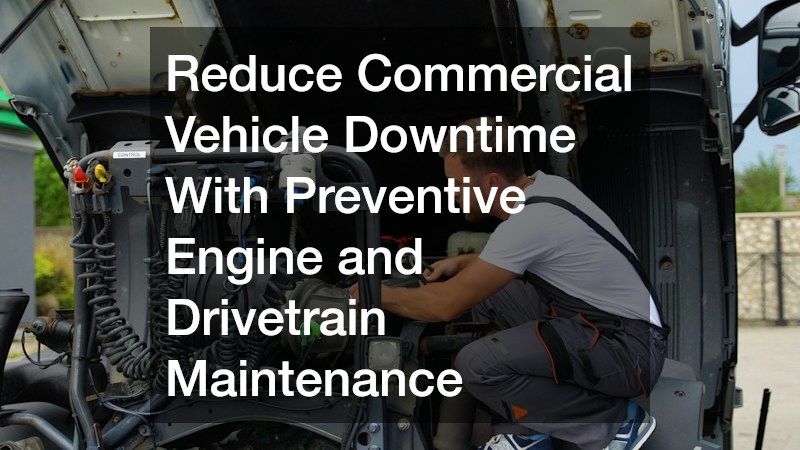
Diesel-powered trucks support industries such as transportation, agriculture, construction, and logistics. These vehicles frequently operate under demanding conditions, making regular maintenance especially important for reliability and productivity.
Heavy loads, extended operating hours, and changing road conditions can accelerate wear on engines, cooling systems, and drivetrain components.
Scheduling diesel truck repairs promptly can help prevent minor mechanical concerns from developing into costly breakdowns.
Commercial vehicle owners should prioritize these maintenance practices:
- Monitor engine oil: Follow recommended oil and filter replacement intervals.
- Inspect cooling systems: Check coolant levels, hoses, and operating temperatures.
- Maintain fuel systems: Replace filters as recommended and investigate fuel contamination.
- Address warning lights: Use appropriate diagnostic equipment to identify underlying problems.
- Document maintenance: Keep detailed records of inspections, repairs, and service dates.
Modern diesel engines also contain emissions control systems that require proper maintenance and accurate diagnostics.
Fleet operators should establish preventive maintenance schedules based on mileage, operating hours, and manufacturer guidance.
Unexpected downtime can interrupt deliveries, delay projects, and increase operating expenses.
Preserve Exterior Paint and Appearance With Proper Surface Protection
A vehicle’s exterior is constantly exposed to sunlight, dirt, road debris, bird droppings, and environmental contaminants. Over time, these conditions can affect paint appearance and make regular cleaning more challenging.
Protective treatments can help preserve exterior finishes when combined with appropriate washing and maintenance practices.
Professional auto ceramic coating services apply specialized products designed to create a protective layer over properly prepared painted surfaces.
Before choosing a treatment, vehicle owners should consider several factors:
- Surface preparation: Thorough cleaning and appropriate paint correction help achieve better results.
- Product durability: Compare coating specifications and realistic longevity expectations.
- Maintenance requirements: Follow recommended washing and cleaning procedures.
- Warranty coverage: Review what is included and whether specific maintenance is required.
- Application quality: Choose experienced professionals who follow appropriate preparation procedures.
Ceramic coatings can improve water repellency and make certain contaminants easier to remove. However, they do not prevent every scratch, chip, or type of paint damage.
Owners should also understand how coatings differ from waxes and paint protection films.
Address Windshield Damage Early to Maintain Visibility and Vehicle Safety
Windshields and automotive windows contribute to driver visibility, weather protection, and important vehicle safety functions. Small chips caused by road debris can sometimes develop into larger cracks, particularly when exposed to temperature changes or additional stress.
Addressing damage early may help prevent more extensive repairs while maintaining clear visibility.
An auto glass repair company can evaluate the location, size, and severity of damage to determine whether repair or replacement is appropriate.
Drivers should follow these practical recommendations:
- Inspect damage promptly: Identify chips and cracks before they spread.
- Protect visibility: Avoid driving when damaged glass significantly obstructs the driver’s view.
- Review repair options: Ask whether the damage can be repaired safely.
- Verify replacement materials: Ensure replacement glass meets applicable vehicle specifications.
- Check calibration requirements: Determine whether driver-assistance cameras need recalibration.
Many modern vehicles use windshield-mounted cameras for features such as lane assistance and automatic emergency braking.
Replacing glass on these vehicles may require specialized calibration procedures.
Drivers should also review insurance coverage and applicable repair requirements.
Maintain High-Performance Vehicles With Precision Repairs and Quality Replacement Parts
High-performance vehicles are engineered to deliver responsive handling, powerful acceleration, and precise driving characteristics. Maintaining these capabilities requires careful attention to mechanical systems, electronic components, and manufacturer-specific service requirements.
Because performance-oriented components may operate under demanding conditions, accurate diagnostics and proper maintenance are especially important.
Professional porsche repair should involve technicians familiar with the vehicle’s engineering, approved procedures, and required diagnostic equipment.
Owners can support vehicle reliability through several practices:
- Follow maintenance schedules: Complete inspections and services at recommended intervals.
- Use compatible components: Select replacement parts and fluids that meet manufacturer specifications.
- Monitor performance changes: Investigate unusual vibrations, noises, or handling concerns.
- Inspect tires and brakes: Check components regularly, particularly after demanding driving conditions.
- Keep service documentation: Maintain records of repairs, inspections, and replacement parts.
Specialized vehicles may require additional attention to cooling systems, suspension components, and electronic controls.
Owners should avoid approving expensive component replacements without a clear diagnosis.
Choosing qualified technicians and maintaining detailed records can help preserve vehicle performance, reliability, and potential resale value.
Restore Cabin Comfort and Resale Appeal by Repairing Interior Wear and Damage
Vehicle interiors experience daily wear from passengers, sunlight, food spills, pets, and changing temperatures. Over time, upholstery may tear, dashboards can crack, and interior trim may become damaged or loose.
Maintaining the cabin helps preserve comfort while creating a cleaner, more attractive environment for drivers and passengers.
Professional auto interior repairs can restore damaged seating materials, trim components, and other interior surfaces.
Vehicle owners should consider these maintenance strategies:
- Repair upholstery damage: Address small tears before they become larger.
- Clean spills promptly: Reduce the likelihood of permanent stains and unpleasant odors.
- Protect interior surfaces: Use cleaning products appropriate for leather, vinyl, fabric, and plastic.
- Inspect damaged trim: Repair loose or broken components that affect appearance or functionality.
- Evaluate restoration costs: Compare professional repairs with replacement options.
Different materials require different cleaning and restoration methods, making proper product selection important.
Safety-related components, including seat belts and airbags, should only be serviced by qualified professionals using appropriate procedures.
Maintaining a clean and functional interior improves the driving experience and can make the vehicle more appealing to future buyers.
Prepare for Unexpected Breakdowns With a Reliable Roadside Assistance Plan
Unexpected breakdowns can occur because of mechanical failures, flat tires, overheating, or accidents. Being stranded can create stressful situations, particularly on busy highways or in unfamiliar areas.
Preparing for emergencies helps drivers respond more safely and avoid decisions that could cause additional vehicle damage.
Professional auto towing may be necessary when a vehicle cannot be driven safely or requires transportation to a repair facility.
Drivers should prepare by following these recommendations:
- Review assistance coverage: Check insurance policies, vehicle warranties, and roadside membership benefits.
- Save emergency contacts: Keep reliable assistance numbers accessible.
- Prioritize personal safety: Move away from traffic when safe and follow emergency guidance.
- Provide accurate information: Share the vehicle’s location, condition, and relevant mechanical concerns.
- Confirm transportation costs: Ask about mileage charges, service fees, and destination options.
Different vehicles may require specific towing methods to prevent drivetrain or structural damage.
For example, some all-wheel-drive vehicles require flatbed transportation or manufacturer-approved procedures.
Drivers should never attempt to operate vehicles with serious mechanical or safety problems.
Having a dependable emergency plan reduces uncertainty and helps protect both drivers and their vehicles.
Extend Vehicle Lifespan With Routine Inspections and Preventive Maintenance
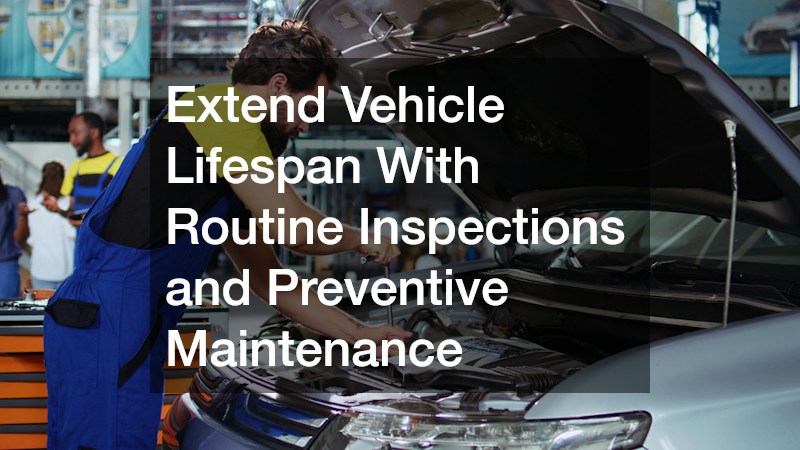
Regular maintenance is one of the most effective ways to support vehicle reliability and reduce unexpected repair expenses. Small problems can develop into expensive failures when warning signs are ignored or recommended services are repeatedly delayed.
Preventive care helps identify worn components, fluid problems, and developing mechanical concerns before they cause additional damage.
A qualified auto mechanic can perform routine inspections, diagnose unusual symptoms, and recommend maintenance based on vehicle condition.
Drivers should prioritize these essential tasks:
- Follow service schedules: Complete recommended oil changes, inspections, and component replacements.
- Check tire condition: Monitor pressure, tread depth, and uneven wear.
- Inspect fluid levels: Watch for leaks or changes in fluid condition.
- Replace worn components: Address filters, belts, and other maintenance items when necessary.
- Respond to warning signs: Investigate unusual sounds, vibrations, and dashboard alerts.
Maintenance needs vary depending on mileage, vehicle age, driving habits, and operating conditions.
Keeping detailed service records helps owners track completed work and identify recurring concerns.
Consistent preventive maintenance supports safer operation, dependable performance, and potentially lower long-term ownership expenses.
Make Smarter Automotive Decisions Through Maintenance and Technology
Understanding essential automotive services helps vehicle owners make informed decisions about maintenance, repairs, and long-term vehicle care. From addressing mechanical concerns to protecting exterior finishes and maintaining interior comfort, each service contributes to a vehicle’s overall condition and performance.
Preventive inspections and timely repairs are especially important because minor problems can become more expensive when ignored. Choosing experienced professionals and following manufacturer recommendations helps reduce unnecessary complications while supporting reliable operation.
Advancements in automotive technology are also improving diagnostic capabilities, service efficiency, and communication between businesses and customers. As vehicles become increasingly sophisticated, staying informed about maintenance requirements becomes even more valuable.