Choosing a pre-owned vehicle frequently feels like an exercise in calculated risk. On the surface, a vehicle can look immaculate, boasting a pristine coat of wax, a spotless interior, and an engine bay that looks as though it was just assembled on the factory floor. However, experienced buyers understand that the exterior appearance of a vehicle is often a carefully orchestrated distraction from underlying mechanical issues. The true narrative of any vehicle is not told by its polished body panels or the promises of a smooth-talking seller; it is written line by line in its maintenance logs. A comprehensive review of paperwork allows a buyer to peer beneath the surface and evaluate how the vehicle was treated over its lifetime, transforming what would otherwise be an emotional, risky purchase into an objective business decision.
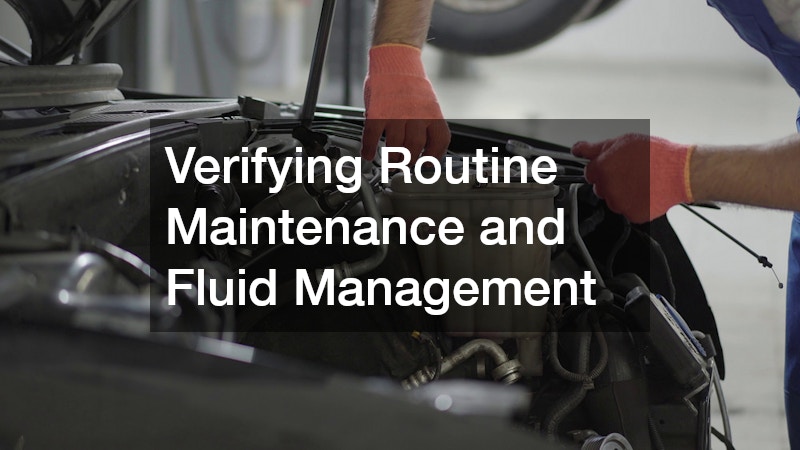
Verifying Routine Maintenance and Fluid Management
Demand Consistent Interval Receipts, Not Just Verbal Assurances
The foundation of any reliable vehicle is routine, disciplined maintenance. While a major mechanical failure often grabs headlines, it is the quiet, progressive wear caused by missing simple fluid changes that destroys most used cars over time. When reviewing a vehicle’s history file, you should look for a steady chronological rhythm of service visits. Gaps in these records are an immediate red flag, indicating periods where the vehicle may have been neglected or subjected to severe operating conditions without proper care.
A thorough analysis of maintenance documentation should focus closely on specific fluid management practices, ensuring the previous owner did not neglect the following critical operational areas:
- Oil Change Frequency: Look for documented oil and filter changes occurring every five thousand to seven thousand five hundred miles, depending on whether conventional or synthetic oils were used. If the paperwork shows intervals stretching beyond ten thousand miles, internal engine sludge may have already begun to accumulate, leading to oil starvation and premature wear on internal bearings.
- Transmission and Cooling Systems: Verify that transmission fluids and engine coolant were flushed according to the manufacturer’s specified intervals, typically around the sixty thousand and one hundred thousand mile marks. Neglecting transmission fluid leads to internal friction adjustments slipping, while old coolant turns acidic, eating away at the water pump and radiator cores.
- Document Authenticity: Check that every receipt or invoice comes from a reputable auto repair service facility. Ensure that dates, mileage readings, and vehicle identification numbers match sequentially across all documents. Handwritten logs or vague statements without corresponding receipts should always be verified with the performing facility.
Spotting Long-Term Neglect Through Filter and Fluid Invoices
Beyond the primary engine oil, a truly meticulous owner maintains comprehensive records for ancillary systems. Look for line items detailing brake fluid flushes, power steering fluid replacements, and differential fluid renewals. Invoices should also show that cabin air filters and engine intake filters were replaced annually. A vehicle history devoid of these smaller, routine items suggests an owner who only performed maintenance when a component actively failed, rather than investing in preventative care to preserve the vehicle’s long-term health.
Inspecting Stopping Power and Braking System Integrity

Trace the Lifespan of Friction Components and Caliper Replacements
The braking system is the most critical safety feature on any vehicle, yet it is frequently an area where sellers attempt to cut corners just before putting a vehicle up for sale. When evaluating a vehicle’s past paperwork, the braking history provides clear insights into both the mechanical condition of the vehicle and the driving habits of its previous operator. Frequent, closely spaced replacements of pads and rotors often point to an aggressive driving style, heavy stop-and-go commuting, or a vehicle that spent its life towing heavy loads.
To ensure you will not face an immediate, expensive overhaul after taking ownership, meticulously audit the service invoices for evidence of comprehensive brake system care:
- Pad and Rotor Replacement Lifespans: Front brake pads generally last between thirty thousand and fifty thousand miles, while rear pads can extend slightly further. Invoices should show that rotors were either resurfaced or replaced alongside the pads; replacing pads alone without addressing warped or thin rotors compromises stopping distance and causes premature component wear.
- Hydraulic System Fluid Changes: Brake fluid absorbs moisture from the atmosphere over time, lowering its boiling point and causing internal corrosion within the master cylinder and anti-lock braking system valves. Look for evidence of a complete hydraulic system flush every two years, which keeps the pedal feel firm and protects expensive electronic braking modules from failure.
- Verification of Professional Craftsmanship: Confirm that all major braking work was conducted by an established brake shop rather than an amateur mechanic. Receipts should explicitly detail that calipers were inspected, sliders were lubricated, and high-quality replacement friction materials were utilized. Professional invoices for brake repair give you confidence that the work was done to factory safety standards using proper torque specifications.
Understanding Hidden Signs of Hydraulic Failure
If the maintenance records reveal that a caliper was replaced in isolation, look closer at the invoices from the subsequent months. A sticky or failing caliper often causes uneven pad wear and can damage the entire hydraulic circuit. If the records show multiple visits to address a spongy brake pedal or persistent fluid leaks, it indicates that the system may have been plagued by chronic pressure issues that the previous owner failed to resolve completely. Ensure that any past hydraulic leaks were met with a total system inspection and a complete component replacement, rather than a temporary patch or a simple fluid top-off.
Evaluating Frame and Structural Integrity After Major Accidents

Cross-Reference Insurance Reports with Structural Realignment Invoices
Modern vehicles are marvels of safety engineering, designed with intricate crumple zones that absorb and redirect impact energy away from the passenger cabin. However, this design philosophy means that once a vehicle experiences a significant impact, its structural integrity is permanently altered. When shopping for a vehicle, discovering a past accident in the history report is not necessarily an automatic reason to walk away, but it demands an exhaustive review of the resulting reconstruction paperwork to ensure the vehicle remains safe to drive.
A cosmetic repair is easy to spot, but structural reconstruction requires specialized machinery and highly precise measurements. When evaluating a vehicle that has undergone extensive auto collision repair, you must verify that the structural platform was restored to factory specifications:
- Frame Measuring System Records: Look for printed data sheets from a computerized, three-dimensional frame measuring system attached to the repair invoice. This documentation proves that the vehicle’s structural anchoring points were measured and pulled back into alignment within millimeter-level tolerances specified by the manufacturer.
- Component Replacement over Sectioning: Review the itemized parts list to see if structural pillars or frame rails were completely replaced at factory seams rather than cut and welded in random sections. Improperly sectioned structural components lose their ability to fold correctly in a subsequent accident, turning a safety feature into a hazard.
- Choosing Certified Repair Facilities: Ensure all structural, alignment, and paint work was performed by a fully accredited auto body collision repair garage. Certified facilities employ technicians trained in advanced metallurgy and factory welding techniques, and they often provide transferable structural warranties that shield subsequent owners from future structural defects or paint peeling.
Identifying the Long-Term Consequences of Body Impact Rebuilding
Vehicles that undergo significant impact reconstruction often suffer from long-term secondary issues if the work was rushed. Check the invoices for replaced wiring harnesses, supplementary restraint system modules, and airbag clock springs. If these electronic components were not replaced with genuine original equipment parts, the safety systems may not deploy when needed. Furthermore, look for follow-up receipts showing that doors, hoods, and trunk lids were adjusted months after the initial fix, as settling body panels can indicate a structure that is slowly flexing out of true alignment.
Investigating Steering, Suspension, and Tire Wear Dynamics

Review Geometric Adjustments and Component Lifespan Logs
The way a vehicle handles, rides, and tracks down the highway is directly dependent on the condition of its underlying chassis components. Suspension and steering components operate under immense stress, constantly absorbing impacts from potholes and uneven road surfaces. When reviewing the service history, pay close attention to any entries related to steering and suspension repair, as these components dictate not only the comfort of the ride but also the stability of the vehicle during emergency maneuvers.
A well-maintained chassis will show a clear history of preventative component replacement and regular alignment checks, which can be verified through the following historical indicators:
- Regular Alignment Validation: Look for records showing a comprehensive wheel alignment was performed at least once every 12 to 24 months, or immediately following the installation of new tires. Regular alignment prevents premature tire wear and ensures that the vehicle tracks perfectly straight without pulling to one side or putting undue stress on steering linkages.
- Wear Item Replacement Cycles: Components such as ball joints, tie rod ends, control arm bushings, and shock absorbers generally have an operational lifespan of eighty thousand to one hundred thousand miles. Review the history to see if these wear items have been replaced on higher mileage vehicles, as buying a car with original suspension components at ninety thousand miles means you will likely inherit a significant repair bill shortly after purchase.
- Post Component Installation Calibrations: Modern steering systems rely heavily on electronic sensors, such as the steering angle sensor used by the electronic stability control system. Ensure that any suspension or steering invoice includes a line item for sensor recalibration, which guarantees that the electronic safety nets function in perfect harmony with the new mechanical hardware.
Recognizing the Dangers of Misaligned Tracking
If the paperwork reveals a history of premature tire replacements or complaints of the vehicle pulling severely, but lacks a corresponding invoice for geometric corrections, the chassis may have sustained a hard impact that bent a structural steering knuckle or strut tower. A vehicle that cannot maintain its tracking geometry will rapidly destroy expensive tires and suffer from erratic handling in wet or icy conditions. Always ensure that component replacements were validated with an alignment printout showing that the final tracking angles fell within the manufacturer’s specified green zone.
Decoding Specialized Engine Swaps and Powertrain Alternatives
Verify Certified Powertrain Source Documentation and Mileage Resets
Finding out that a vehicle has undergone a complete auto engine swap can be alarming for a buyer, but if the work was documented correctly and executed by skilled professionals, it can occasionally extend the operational life of the vehicle. However, this scenario requires the most stringent documentation audit of all, as an improperly executed powertrain replacement can create an endless cycle of electrical and mechanical mysteries.
When analyzing records for a vehicle with a replaced or highly specialized powertrain, you must demand full disclosure through specific source and installation tracking:
- Engine Provenance and Mileage Tracking: The paperwork must clearly identify the source of the replacement engine. Look for a certified bill of sale from a reputable parts supplier or a factory remanufacturing company. The invoice must clearly state the exact mileage of the donor engine at the time of the swap, allowing you to accurately calculate the current true mileage of the powertrain independently of the dashboard odometer.
- Supporting Hardware Replacements: A professional engine installation invoice should never show just the engine block. It must include itemized listings for a new water pump, a fresh thermostat, new drive belts, updated engine mounts, and completely fresh gaskets. Reusing old, fatigued cooling hoses or wiring clips during a major swap is a sign of cutting corners.
- Professional Facility Credentials: Major powertrain overhauls and specialized engine tuning should only be entrusted to highly rated, specialized facilities. For example, vehicles equipped with heavy-duty towing platforms or high-pressure fuel injection systems should have service records tracing back to established diesel shops. These facilities possess the unique diagnostic tools and heavy-duty equipment required to properly calibrate high-torque powertrains.
Legal and Emissions Compliance Validation
An engine replacement is not merely a mechanical challenge; it is a regulatory one. You must look for documentation confirming that the swap complies with local Environmental and Department of Motor Vehicles regulations. Invoices should show that all original emissions control equipment, including catalytic converters and oxygen sensors, was successfully integrated with the new engine. Missing compliance documentation can lead to a vehicle that fails state safety inspections, leaving you with an expensive asset that cannot be legally registered or driven on public roads.
Navigating the pre-owned automotive market requires a healthy dose of skepticism and an analytical mindset. While a test drive reveals how a vehicle performs on a single afternoon, a thorough audit of its historical repair documents reveals how it will likely perform over the next several years. By systematically verifying fluid records, structural reconstruction invoices, braking system updates, steering geometry documentation, and powertrain source files, you can effectively strip away the uncertainty that so often accompanies a major transaction.